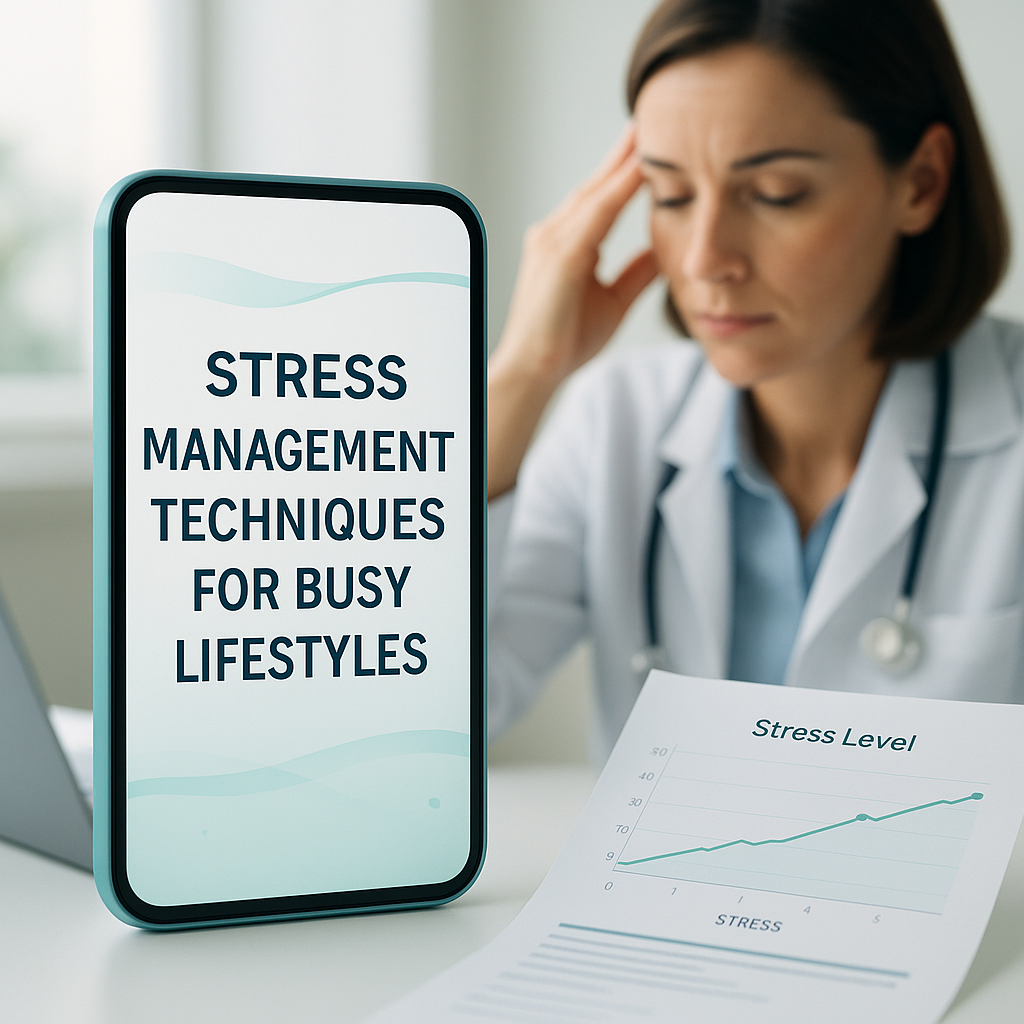
Introduction to Stress Management
Living in today's fast-paced world often means juggling multiple responsibilities at once, leading to stress. Understanding how to effectively manage this stress is crucial for maintaining both mental and physical health.
Understanding Stress
Stress is the body's reaction to any change that requires adjustment or response. Our bodies respond to these changes with physical, mental, and emotional responses. Stress is a normal part of life. You can experience stress from your environment, your body, and your thoughts.
Types of Stress
There are two main types of stress: acute and chronic. Acute stress is short-term and is a response to a temporary challenge, often called the "fight or flight" response. Chronic stress, however, is long-term and can result from everyday pressures, which can lead to health problems if not managed effectively.
Recognizing the Signs of Stress
Recognizing the signs of stress is the first step toward effective management. These may include:
- Anxiety
- Insomnia
- Headaches
- Depression
- Trouble concentrating
- Stomach aches
Effective Stress Management Techniques
Meditation and Mindfulness
Meditation is a practice where you focus your mind on a particular object, thought, or activity to train attention and awareness. Mindfulness involves being aware of each moment and experience without judgment. Both can significantly reduce stress and increase relaxation.
Physical Activity
Exercise increases the production of endorphins, which are chemicals in the brain that act as natural painkillers and mood elevators. Regular physical activity can improve your mood and help you concentrate, sleep, and feel better overall.
Healthy Eating Habits
Nutrition plays a key role in stress management. Eating well-balanced meals is crucial. Include whole grains, vegetables, and fruits in your diet while reducing the intake of unhealthy fats, sugar, and caffeine.
Time Management
Poor time management can cause stress. Planning your tasks and setting realistic goals can prevent this. Break down large tasks into smaller, manageable steps and prioritize them. Tools like calendar apps or to-do lists can be very helpful.
Breathing Exercises
Deep breathing can help you manage stress, lower your heart rate, and promote a feeling of calm. Practice by taking slow, deep breaths, counting to five on the inhale, holding the breath for a count of five, and exhaling slowly to a count of five.
Conclusion: Taking Control of Your Stress
Understanding and managing stress can significantly improve your life quality. By incorporating these techniques into your daily routine, you can handle stress more effectively, leading to a healthier and happier lifestyle.
Request your consultation or medication refill today with EasyConsult