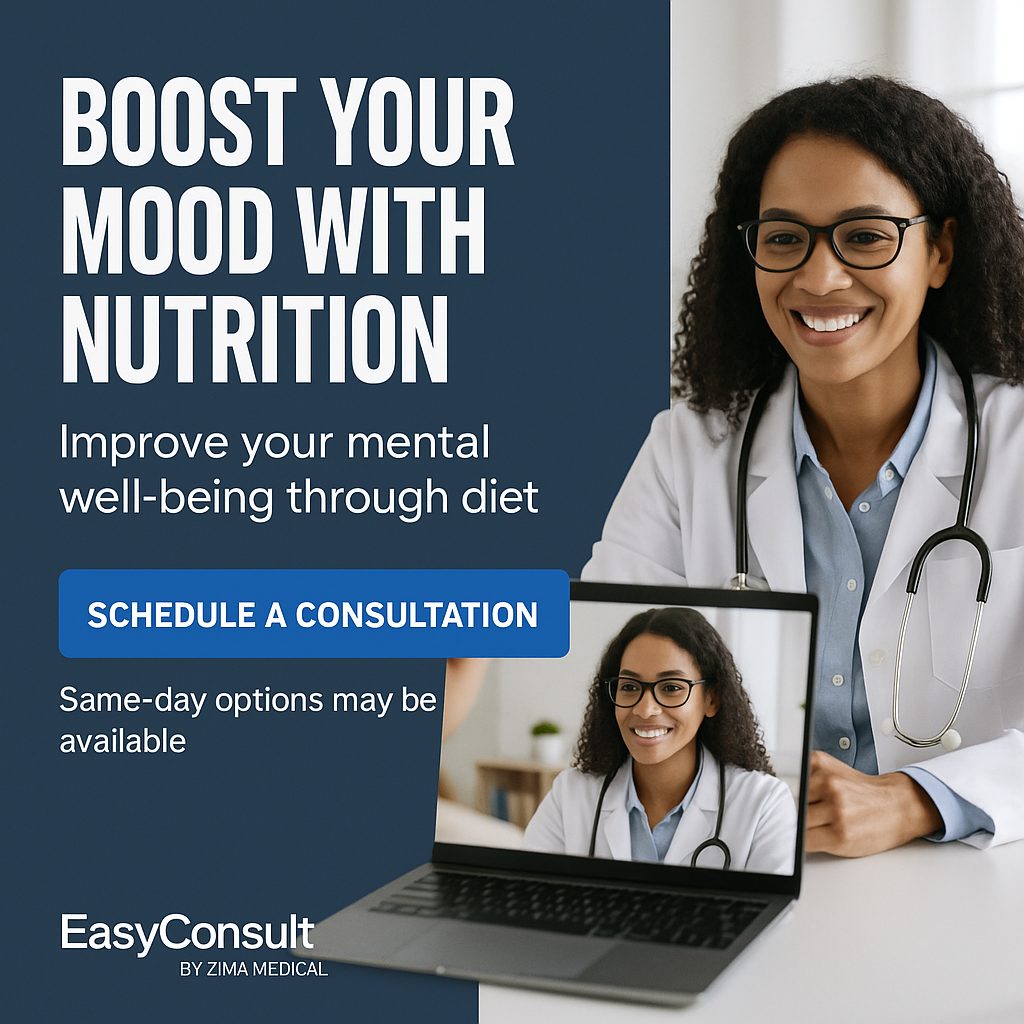
Introduction to Nutrition and Mental Health
Good nutrition is essential not only for physical health but also for mental well-being. The connection between what we eat and our mood, cognitive function, and overall mental health is profound. This guide explores how nutrition can impact mental health and offers practical tips for integrating healthy eating habits into your lifestyle.
Understanding the Connection
Recent research in nutritional psychiatry suggests a significant correlation between diet quality and mental health outcomes. Consuming a balanced diet rich in essential nutrients supports brain function and is associated with lower risks of depression and anxiety.
The Role of Macronutrients
Macronutrients such as carbohydrates, proteins, and fats play a crucial role in brain health. Carbohydrates provide energy for brain activity, proteins supply amino acids essential for neurotransmitter production, and healthy fats like omega-3s aid in cognitive function.
Micronutrients and Their Impact
Vitamins and minerals, including B vitamins, vitamin D, magnesium, and zinc, are vital for maintaining mental health. Deficiencies in these nutrients have been linked to mood disorders and cognitive decline.
Nutritional Strategies for Better Mental Health
Adopt a Balanced Diet
Focus on a diet that includes a variety of fruits, vegetables, whole grains, lean proteins, and healthy fats. This approach ensures that you receive a broad spectrum of nutrients necessary for optimal brain function.
Include Brain-Boosting Foods
- Fatty fish like salmon and mackerel
- Nuts and seeds, especially walnuts and flaxseeds
- Leafy greens such as spinach and kale
- Fermented foods like yogurt and sauerkraut
- Dark chocolate in moderation
Stay Hydrated
Hydration is essential for mental clarity and focus. Aim to drink at least eight glasses of water daily to support cognitive function and mood regulation.
Practical Tips for Implementing Nutritional Changes
Plan Your Meals
Meal planning helps ensure you include nutritious foods in your diet and avoid impulsive, unhealthy food choices.
Mindful Eating
Practice mindful eating by savoring your meals, paying attention to hunger cues, and avoiding distractions while eating.
Seek Professional Guidance
If you're struggling with dietary changes or managing mental health issues, consider consulting a healthcare professional or dietitian for personalized advice.
Conclusion
The impact of nutrition on mental health is undeniable. By understanding the connection and implementing practical dietary strategies, you can enhance your mental well-being and overall quality of life.
Request your consultation or medication refill today with EasyConsult