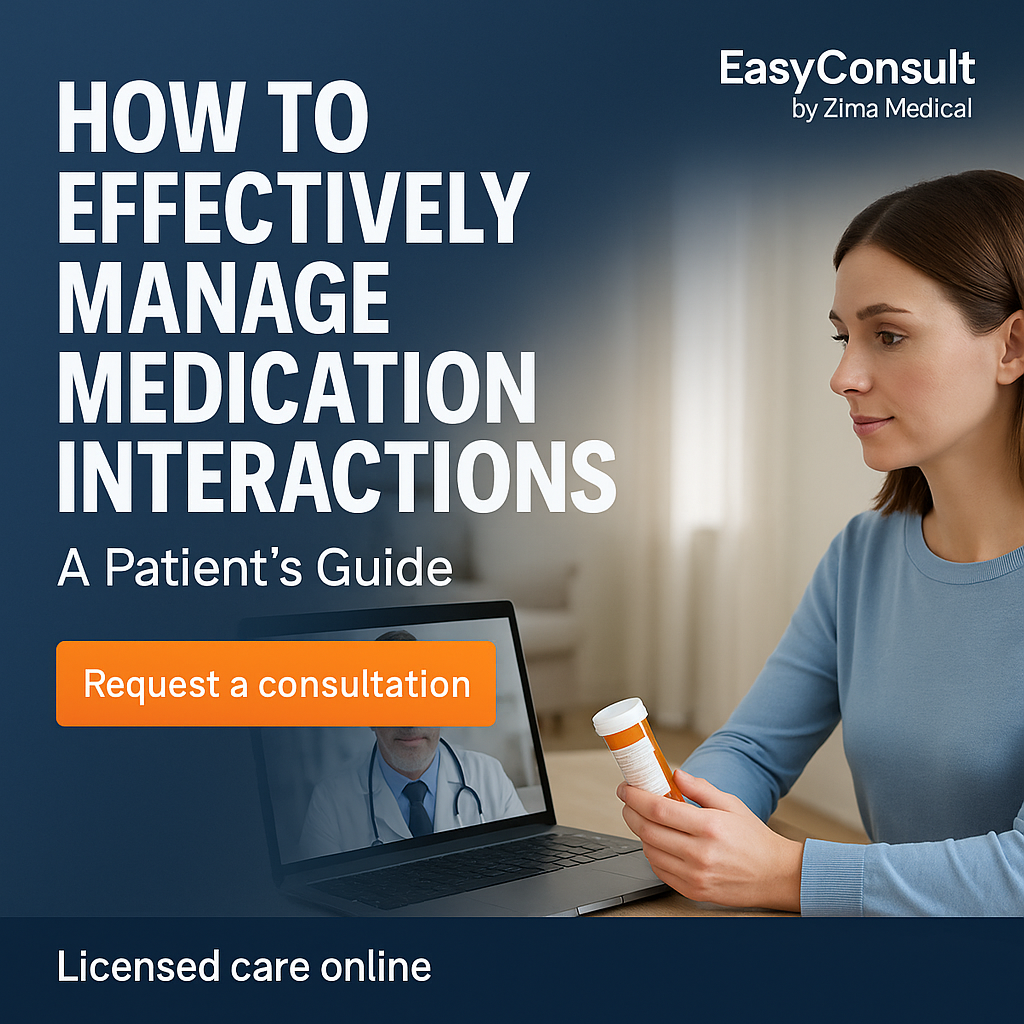
Understanding Medication Interactions
Medication interactions occur when one medication affects how another medication works in your body. This can lead to increased side effects or decrease the effectiveness of the medicines you are taking. Understanding these interactions is crucial for your health and safety.
Types of Medication Interactions
- Drug-Drug Interactions: When two or more drugs react with each other.
- Drug-Food Interactions: When food or beverages affect the medication.
- Drug-Condition Interactions: When a pre-existing medical condition affects the medication.
Identifying Potential Interactions
To manage medication interactions effectively, it is essential to identify potential interactions before they occur. Here are some steps you can take:
- Consult with Your Healthcare Provider: Always inform your doctor about all the medications you are taking, including over-the-counter drugs, vitamins, and supplements.
- Read Medication Labels: Pay attention to the warnings and interaction information on the medication labels.
- Use Interaction Checkers: Utilize online tools or apps designed to check for drug interactions.
Effective Strategies for Managing Interactions
Once you have identified potential interactions, you can employ several strategies to manage them effectively:
Adjust Timing of Medication
Taking medications at different times can reduce the chance of interactions. This strategy is particularly useful for drug-food interactions.
Alter Dosages
In some cases, your healthcare provider might adjust the dosage of your medications to minimize interaction effects.
Substitute Medications
If a significant interaction risk is identified, your healthcare provider may prescribe alternative medications that do not interact.
Communicating with Healthcare Providers
Maintaining open communication with your healthcare providers is crucial in managing medication interactions. Here’s how you can ensure effective communication:
- Keep an Updated Medication List: Maintain a comprehensive list of all medications you are taking and share it during every healthcare visit.
- Ask Questions: Do not hesitate to ask your doctor or pharmacist about potential interactions and side effects.
- Schedule Regular Consultations: Regular check-ups can help identify and address any new interactions or changes in your health condition.
Utilizing Telehealth for Medication Management
Telehealth services, like those offered by EasyConsult by Zima Medical, can play a vital role in managing medication interactions. Here are some benefits:
- Convenient Access: Schedule consultations from the comfort of your home.
- Timely Advice: Receive immediate guidance on medication management without waiting for a physical appointment.
- Enhanced Communication: Use telehealth platforms to discuss your medication regimen and any concerns with your healthcare provider.
Managing medication interactions effectively is an essential aspect of healthcare. By staying informed and communicating with your healthcare providers, you can minimize risks and ensure your medications work as intended. Request your consultation or medication refill today with EasyConsult